TRAVEL EMERGENCY PREP
Blizzards I can handle, but when the Earth started shaking, I froze
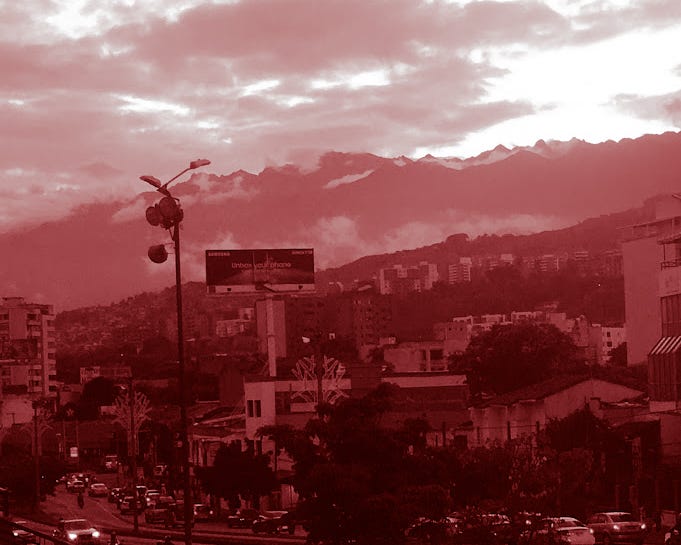
As I step out of the kitchen, looking down at my phone, I’m struck by the notion something isn’t right.
First, I discern an odd rattling sound I can’t quite attribute to anything familiar. A garbage truck passing? The neighbors making a ruckus? Nothing seems to fit. It’s far too bizarre and goes on too long.
Glancing around, I start towards the patio, but walking feels strange.
It’s like being in a carnival funhouse or having sea legs on land.
I experience vertigo as I realize our home, formerly a solid, stable structure, has become animate.
The doors sway on their hinges, abruptly reversing directions as if acted upon by a ghostly force. The floor is rippling like waves on a lake in boating season.
I drop to the floor and sit, instantly aware I have no idea what to do or where to go. Should I stay inside or go outside? What part of the house is most stable? What part poses a threat?
I crawl unsteadily the two meters or so to our bedroom door, and I push it open just as my husband leaps from the bed.
“Earthquake,” we mutter in unison, our worried gazes reflected in one another. We can do nothing, so we remain helpless, still, and observant as the shaking subsides.
Shaken, I remember that living abroad responsibly requires learning and preparation.
I live here now. Cali, Colombia. “Nestled at the convergence of several tectonic plates, including the Nazca Plate, the Caribbean Plate, and the South American Plate, [Colombia] is a hotbed for earthquakes and tremors.” (BNNBreaking.com)
I was eight years old in 1998, the same year a 5.2 magnitude earthquake, the strongest recorded in Pennsylvania, occurred.
Even though the epicenter was extremely close to my home in the northwestern part of the state, I didn’t feel a thing. I was on the school bus, and the natural bouncing of the canary-colored tin can on wheels canceled out the tremors.
When I arrived at our sitters, my younger sister recounted the harrowing experience, which amounted to shaking and a few knick-knacks falling from the walls. For years, however, I was bitter for having missed out.
Since then, I’ve experienced two earthquakes in Colombia, a small one on a visit several years ago and the second, the 5.6 magnitude quake this morning (January 20th, 2024). Both were minor, not causing much damage in our area.
Despite this, today’s event made me realize having spent most of my life in an area where earthquakes are practically unheard of could be a detriment here.
I should know how to prepare for earthquakes the same way I do a winter blizzard: gather food and water, charge backup power sources, gather candles and flashlights, prep the kerosene heaters, ensure there’s sufficient fuel, and salt outdoor surfaces.
Still unmoored and jittery, I’ve done some research.
To prepare for an earthquake, I needed to create an emergency plan with my family with communication strategies, evacuation routes, and established meeting points.
Similar to blizzard prep, it’s recommended to have an emergency kit on hand with essential supplies, such as water, non-perishable food, medications, first aid items, flashlights, batteries, important documents, emergency cash, and personal hygiene items.
A critical preparation I knew I’d missed is identifying safe spaces away from potential hazards such as unsecured heavy furniture, breakable items, appliances, and other items at risk for falling during the event.
To be safe during an earthquake, I knew that I should drop to the ground, take cover under a sturdy, secured piece of furniture, and hold on until the shaking stops. At least I’d gotten the drop-to-the-ground part right.
If indoors, I learned it’s safest to stay there and avoid windows, mirrors, glass, and other items that could shatter during the shaking. And if outside it’s safest to move to an open area away from buildings, streetlights, utility wires, and trees.
I hadn’t even considered driving since I wasn’t sure if you would feel the earthquake. However, I learned in a strong one, trees and buildings swaying will alert you and it’s recommended to pull over to a safe location away from overpasses, bridges, and tall structures but stay inside the vehicle.
After an earthquake, I now know to be aware of aftershocks that may occur, so I shouldn’t venture far from my safe space too quickly. Also, to be cautious when extricating myself, remaining vigilant of potential hazards like gas leaks, damaged electrical wiring, structural damage, and debris.
Once I can do so safely, I’ll reconnect with family members at the assigned meeting point or, if possible, communicate my safety status by phone.
A great tip I hadn’t considered was listening to emergency broadcasts for information, and instructions from local authorities will provide guidance.
Being excited about new experiences while traveling or living abroad is natural. However, this earthquake shook some sense into me, reminding me that it also comes with a responsibility to learn and prepare. I hope it serves as a reminder to others to research and prepare for potential natural disasters when in a new place as well.
Thank you for reading! Stay safe and explore the world!
 BLEW WRITING LLC