Just a few of the shocking and unexpected cultural differences to be aware of when visiting Colombia for the first time.
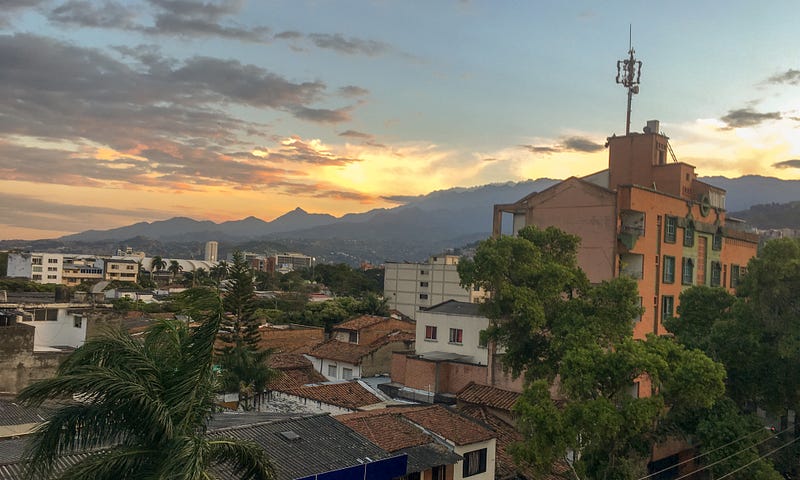
Americans traveling to Colombia for the first time are often unsure what to expect since Colombia isn’t a top tourist destination. They’ll likely encounter some unexpected cultural norms which could interfere with their enjoyment of the experience. Expecting the unexpected is the key to planning and enjoying an excellent trip to this new and exotic country. Here are a few must-know cultural norms for avoiding culture shock as an American abroad in Colombia.
Currency
Colombia’s currency is the Colombian Peso (COP). The peso’s value is quite different than that of the US dollar. Conversion rates change constantly, but the average rate in recent months has been around USD 1 = COP 4.000. (Note: Period and comma use are reversed for Colombian numbers) For example, the price for a loaf of bread in the US is $2.50, which converts to approximately $10.000 in pesos.
This difference can be challenging for Americans when first arriving. It can also make it easier to be taken advantage of as a tourist if you’re unsure of an item’s value locally or can’t convert a price to USD for comparison. You may be up-charged without realizing it. Returning to the bread example, if you’re charged 10.000 pesos for a loaf of bread, you may have “paid the gringo tax” since the average price in Colombia is only $6.000.
Before your trip, do some research on the average cost of goods and services, such as meals at restaurants, taxi trips, clothing, souvenirs, and any others that may be of interest during your stay. Also, check the USD conversion rate to COP at the time of your visit to have the most current information.

Bathrooms
Prepare yourself because this is a tough one for many Americans. The sewage infrastructure in many parts of Colombia can’t handle toilet paper. Therefore, it’s common to see signage directing you not to flush toilet paper. Yes, all toilet paper (number 1 and number 2) must be thrown in the trashcan near the toilet. As a result, public restrooms aren’t typically places you’ll care to spend more time than absolutely necessary. Additionally, when spending a day out and about, be prepared by having a few coins (pesitos) on hand since many public restrooms aren’t free to use.
Showers
Hot showers are hard to come by in regions of Colombia with warm climates since most residences don’t have hot water. This is because it’s considered an expensive and unnecessary luxury, and in warm climates, a cold shower is usually preferable to a hot one. Additionally, the energy cost to heat the water is considered wasteful or not economically feasible by many.
Occasionally, hotels, Airbnb’s, or hostels have tankless water heaters for their showers. However, these tankless water heaters range in effectiveness. Therefore, long or super-hot showers aren’t guaranteed. If a rental features hot showers, it’ll be noted in their ad. If there’s no mention of it, it’s safe to assume there won’t be any.
Laundry
If you’re on an extended stay, you’ll likely need to do laundry. While many rentals offer access to laundry machines, you won’t likely encounter a dryer. Due to the warm climate and high energy costs in much of Colombia, Colombians typically hang their wash to dry. Therefore, you’ll usually find a drying rack for hanging your wet clothes. This is important for planning since it’ll take several hours for your clean clothes to dry.
Language
Some travelers assume, like much of Europe, Puerto Rico, and Mexico, it’s feasible to “get by” without knowing Spanish. While English is a popular second language for Colombians to study, it isn’t the country’s official language. You shouldn’t assume most of the people you encounter will know at least some English. You’re likely to encounter some who do. However, it’s safer to learn Spanish or hire a translator.
Vigilantes
If you stay in or pass through a residential Colombian neighborhood and encounter a man lurking about with a machete, don’t panic. You haven’t stepped into a horror movie. These, typically older men, are known as Vigilantes. Vigilantes are a sort of “neighborhood watch” and are usually paid a small monthly stipend by the residents of the area they patrol. Generally, they are very friendly and helpful and, therefore, can be a handy resource if you find yourself in need of help or directions.
Expect the Unexpected
This is a small sampling of the many cultural differences between the US and Colombia. Colombia is a wonderful and diverse country. However, it’s very different from the US, and it’s recommended that travelers research, learn, and prepare before a visit. This preparation will enable you to enjoy the exciting and vibrant culture without facing undue hardships resulting from culture shock.
 BLEW WRITING LLC