My first experience with Colombia’s forward-thinking green initiative.
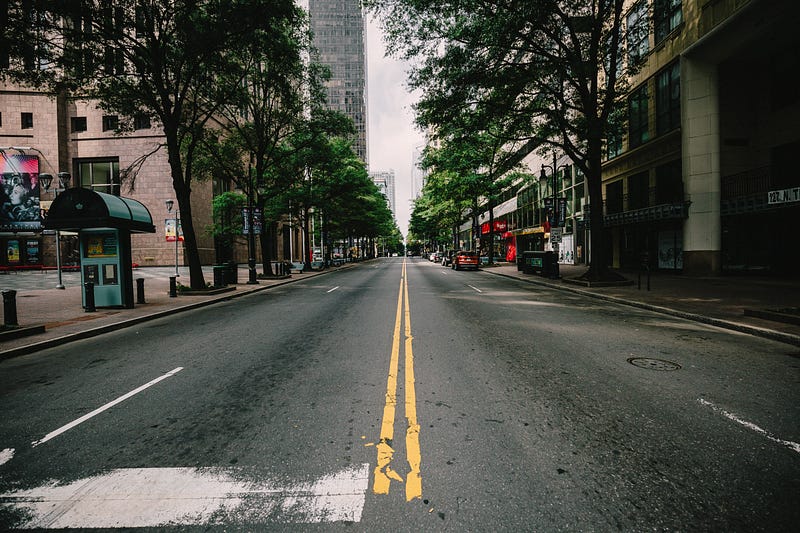
Imagine waking up to an eerie quiet. No revving engines. No honking horns. No screeching brakes. Cali, Colombia, is trying to make that picturesque dream a reality of city life, at least for 10 hours.
I was surprised when my husband told me my stepdaughter didn’t have school on Wednesday. Not because there was no school. Colombia loves its holidays, celebrating 18 federally recognized holidays annually. What surprised me was that it was in the middle of the week. When I asked why, the answer piqued my curiosity.
He responded, “It’s the day when there is no driving.”
Once I wiped the look of astonishment and confusion off my face, I needed to know more. I responded, “I can’t imagine a day the government tells people they aren’t allowed to drive.” “Said the American lady,” was his quick-witted and apt response.
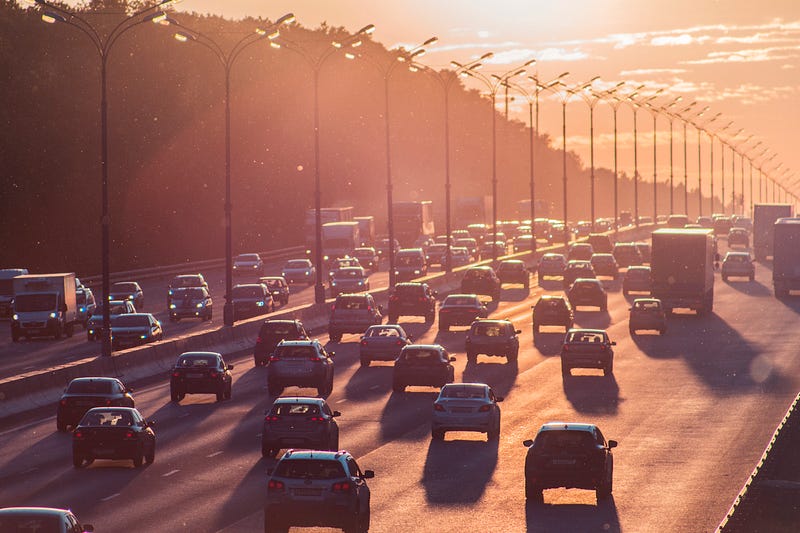
As an American, especially a rural American, this concept seems preposterous and extremely inconvenient. Because A. Freedom and B. Impractical. However, my next thought was that it sounded like a great idea and could have profound positive impacts on the environment and the people living in the city.
In addition to the US’s staunch resistance to the government telling them how to live their lives, the US has a reputation for its particularly deficient public transportation systems. The fact that it is one of the largest nations in the world and doesn’t yet have a high-speed, low-emission bullet train system speaks to this lagging.
If you live in a rural area without public transportation, going a day without a car becomes even less conceivable. I, for example, could only have walked to neighboring houses or farms. Walking to the nearest store (Dollar General, of course) would have taken approximately 52 minutes, according to Google Maps. To get to school, work, or even a large grocery store would have been unfeasible.

Colombia, on the other hand, has a relatively well-developed public transport system. Here in Cali, the Mio bus system can get you, more or less, anywhere you need to go. Nevertheless, the streets are packed with cars, trucks, and motos at all hours of the day.
The mayors and other governing officials of several of these big cities have said enough is enough and begun launching these creative initiatives to help the citizens realize that public transport is a viable, affordable, and environmentally responsible option for quickly getting where you need to go.
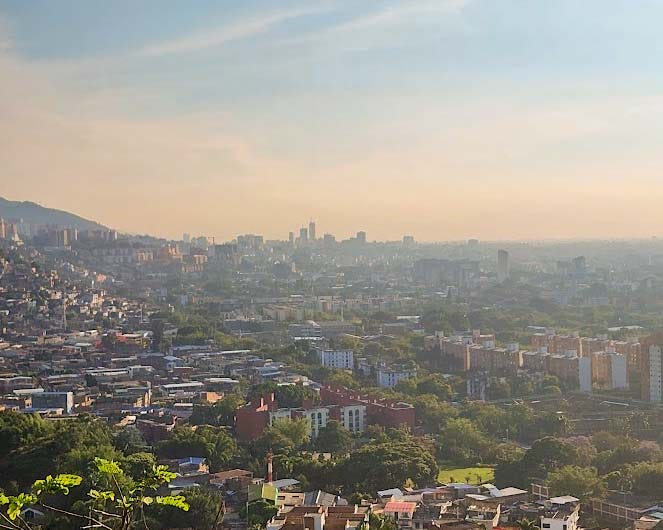
This driving ban initiative is part of a broader plan toward a loftier goal: to combat pollution in the city. Already, electric buses can be seen (and barely heard) on their routes through the city. The secretary of Mobility announced the initiative to promote better air quality in the city.
Driving restrictions are not new to Caleños. Pico y Placa is a system that started in Bogotá in 2017 and was adopted in Cali shortly thereafter. This is a weekly schedule of driving restrictions based on a vehicle’s license plate numbers.
Plate numbers ending in specific numbers cannot be driven on certain days of the week between 6 a.m. — 10 a.m. and 4 p.m. — 6 p.m. The fine for driving on unauthorized days is equivalent to 15 days of minimum wage or COP 414.058 (approximately USD 100.)
Some specifics on the “No-driving Day” initiative:
· The restrictions begin at 7 a.m. and end at 5 p.m.
· Some exceptions to the initiative include hybrid and electric cars, health service vehicles, security and press service vehicles, school buses, and some delivery vehicles.
· The fine for violating the ordinance is equivalent to 15 days of minimum wage.
Note: Though school buses are listed in the exemptions, many schools have chosen not to hold classes to support the initiative’s goal.
The ordinance’s effects are tangible as I sit at home writing today. The streets are much quieter. Only infrequently have I heard the cacophony of traffic noises that typically make up the soundtrack of daily life in the city. An additional unexpected benefit is that the three of us are spending a lovely day stuck at home together.
We experienced several minor inconveniences to our normal routine. First, my husband realized he would have to reschedule a meeting he had on the other side of the city since the Mio would likely be flooded with people, and an Uber would cost triple the usual rate. Additionally, we ordered food delivery without thinking. This wasn’t out of the question since Rappi couriers use electric motos and bicycles here. However, the order took well over the anticipated time to arrive. And I had planned a trip to the pharmacy by Uber, which can wait until tomorrow.
These minor inconveniences reminded us how we contribute to the problem even without owning a vehicle and the steps we can take to lessen our contribution to the problem.
 BLEW WRITING LLC