Everything I’ve learned about money as an American living in Cali, Colombia.
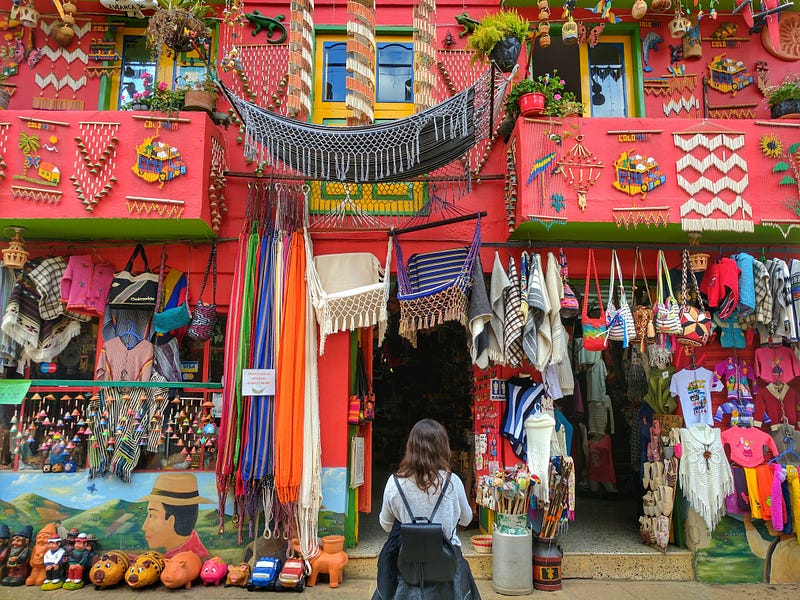
If you’re planning on traveling to Colombia, especially if it is your first time traveling to a country that doesn’t accept the US dollar (USD), there are a few things you should know that’ll make the experience smoother. I’m not an economist by any means, but I am a thrifty shopper and do most of our household shopping. So, when we moved here, I needed to learn about Colombian money and the economy quickly and well. Hopefully, you can benefit from my experiences and mistakes. And won’t be as confused and mind-blown as I was on my first visit.
Currency Quick Facts
· Colombia’s currency is the Colombian Peso (COP)
· Currency conversion rates fluctuate constantly. In the last few months, however, the value has been around $1 (USD) = $4000 (COP)
· In Colombia, the “.” And “,” are reversed, so $1,234.56 is written as $1.234,56
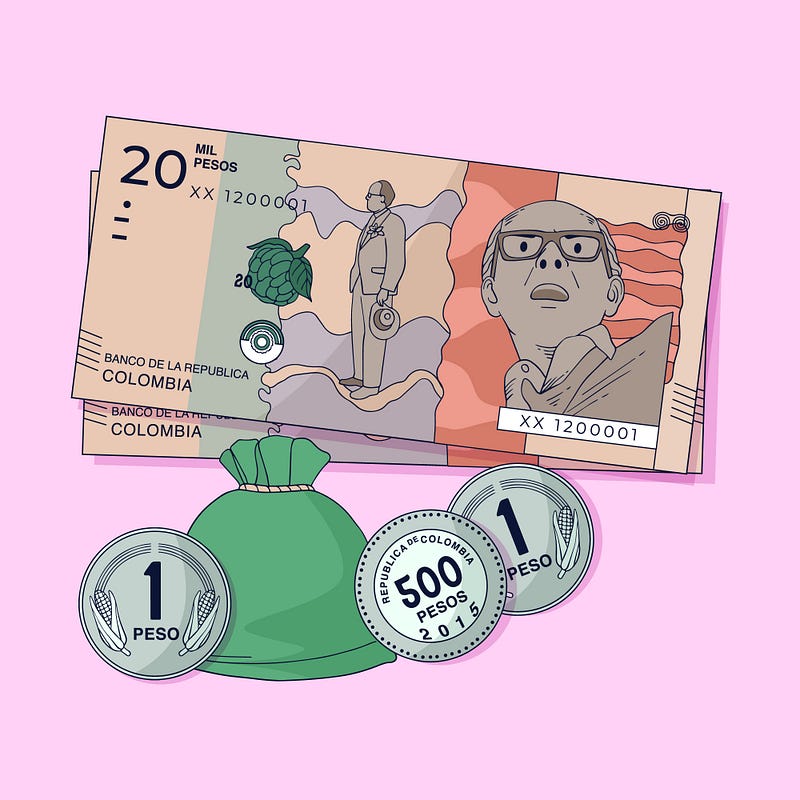
· The most common paper bills in Colombia are $2.000, $5.000, $10.000, $20.000, $50.000, and $100.000
· The most common coins are $1.000, $500, $200, $100, and $50.
· Coins are sometimes referred to as “pesitos.”
Currency Value and Conversion
Math has never been my strong suit, but let me tell you, trying to wrap my head around converting COP to USD I thought would be the death of me. Dealing in thousands of pesos was a difficult concept to grasp initially, but there are some tricks that make it a bit easier.
As I am writing this article, the current conversion rate, according to Google, is $1 (USD) = $3.980,31 (COP) (NOTE: Colombian values will be written in the Colombian style with the “.” And “,” reversed). That is a bit lower than the average since I have been here. Typically, I assume $1 (USD) = $4.000 (COP) to save my brain from exploding.
The first time I saw this conversion rate, I was stunned and confused. I was finally a millionaire. Yay! But it also meant doing some serious mental-math.
Since in the US, we are used to dealing with quarters, multiples of 4 aren’t so tricky. For example, $400.000 (COP)is $100 (USD), therefore $100.000 (COP) is $25 (USD).
To simplify the conversion, I typically ignore the ones, tens, and hundreds places of amount in pesos. Any quantity less than $1.000 (COP)is less than approximately one US quarter, and occasions are thankfully rare when I need to be that precise.
Economy and Actual Cost
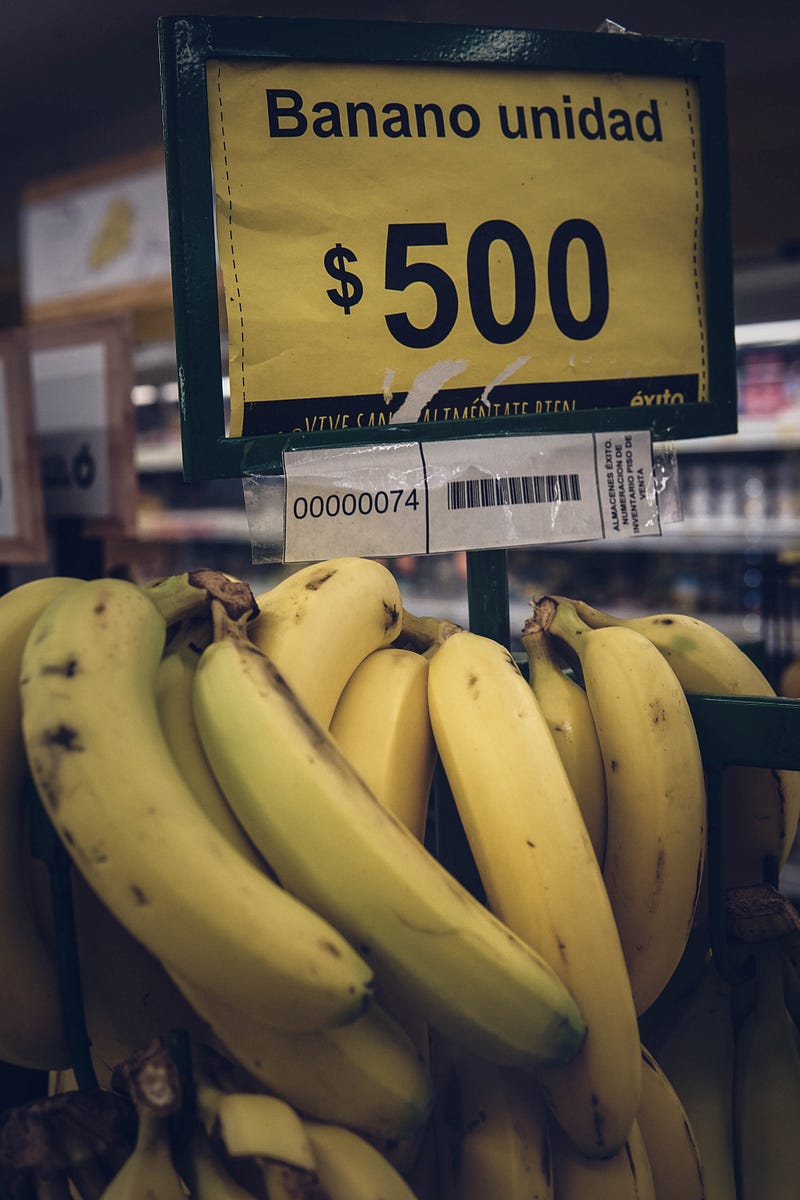
The excitement of your millions of pesos is short-lived once you understand that a loaf of bread costing $2.50 (USD) won’t cost you $2,50 (COP)(approx. $0.00063 USD). The prices of goods range on a whole other scale in the Colombian economy.
For example, a loaf of bread, similar to what you would find in a grocery store in the US, will cost you around $6.000,00 (COP) in a grocery store in Cali, Colombia.
Here, my example falls apart, though, since nobody here eats that processed, preservative-packed basura (garbage). Colombians love their panaderías (bakeries). And honestly, I have to agree. Why would anyone choose processed, preserved supermarket bread when there are warm, freshly baked, tasty loaves in la panadería on nearly every street corner? A fresh-baked loaf similar in size may cost a bit more, around $7.000 — $8.000 (COP), depending on where you get it and when. Still, the difference in USD is only about $0.25-$0.50 more.
Conversion Warning
I would be remiss not to warn you of the trap I have fallen into more than once. Stop thinking in dollars as soon as possible! You can reason that anything is a good deal if you compare it to the price in US dollars.
This is harder to do and less important if you’re earning income in dollars but spending in pesos. (lucky you!) However, if you are earning in pesos, forget the dollar. Break up and move on.
Inevitably, you will purchase something thinking, “Oh, that’s cheap. It’s only $X (USD),” then you will walk into another store the next day and see it for half the price you paid the previous day.
I learned this lesson the hard way. When I first arrived, I wanted a new fanny pack (canguro) because I’m super cool and love them. I went to a mall near my home, walked into the first accessories boutique I saw, and purchased a cute one for $63.000,00, thinking it was quite a bargain, only $15.75 (USD). Until I visited several other stores, realizing that’s actually a high price for this product here, and I really shouldn’t have paid more than $40.000 ($10 USD) for the adorable and functional bag. Lesson learned.
Shopping
I love hunting for a good deal. I pride myself on rarely paying full price for anything. Sometimes, I wait months for a good deal on something I’ve had my eye on. Therefore, I consider myself kind of an expert on what items are cheaper in the US versus Colombia.
Many in the US assume everything is less expensive in Colombia because of the weaker economy. Truthfully, many things are, but not all.
Technology (phones, computers, etc.) and name-brand goods are a notable exception to this assumption. Generally, I only buy new technology when I visit the US because it is less expensive.
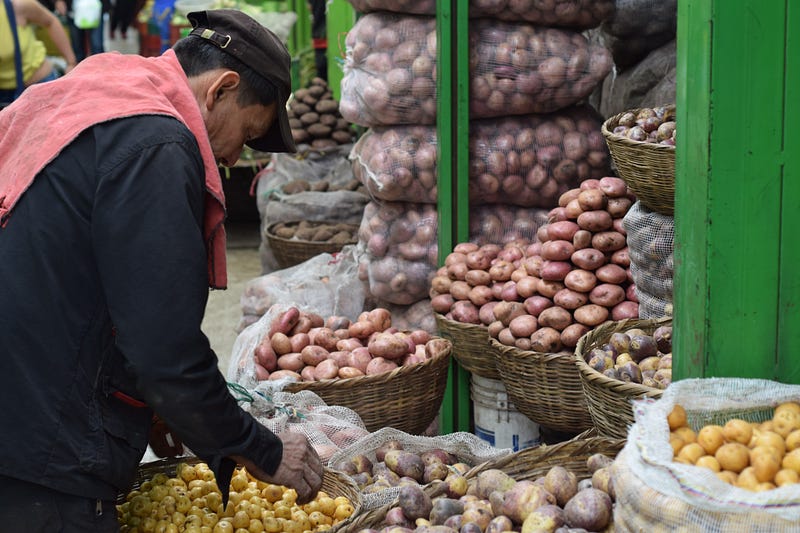
Necessities like food, some clothing, medications, health and wellness products, and household items are usually less expensive in Colombia.
I have Amazon Prime, which offers free shipping to Colombia on a surprisingly large number of products. I often find sale items available for less than I would pay in Cali. The downside is packages typically take 10–14 days to arrive. Additionally, expensive items will likely have import fees, negating the savings and making it better just to purchase them locally.
Online ordering sites like Amazon and Mercado Libre (Latin America’s equivalent of Amazon) have changed the economy and how people shop significantly, giving people access to a larger variety of goods from all over the world. As a result, product prices can vary dramatically depending on where and how they are purchased.
Ways to Pay
When I first visited Colombia in 2017, I hardly used a debit or credit card for purchases. Cash was king and accepted everywhere.
This was a concern for me because I stand out as a foreigner here, and it was easy to assume I had a good deal of cash somewhere. I was amazed when I realized how much that has changed in only the last several years.
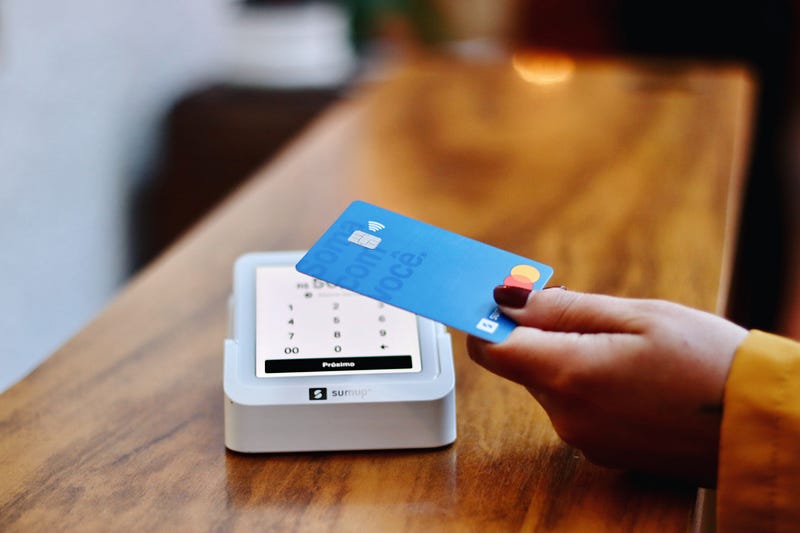
Nowadays, credit and debit cards are widely accepted, at least in big cities. Most POS systems are touch-enabled, so paying from a smartphone or watch is easy. Another popular means of payment is Nequi, a Colombian cash transfer app similar to PayPal.
Still, it is necessary to keep some cash on you for buying from street vendors or smaller businesses and when traveling to more rural areas.
I hope you found some of these insights valuable. If there’s anything I forgot to mention or something you are particularly curious about, feel free to ask in the comments section. I will do my best to answer.
 BLEW WRITING LLC